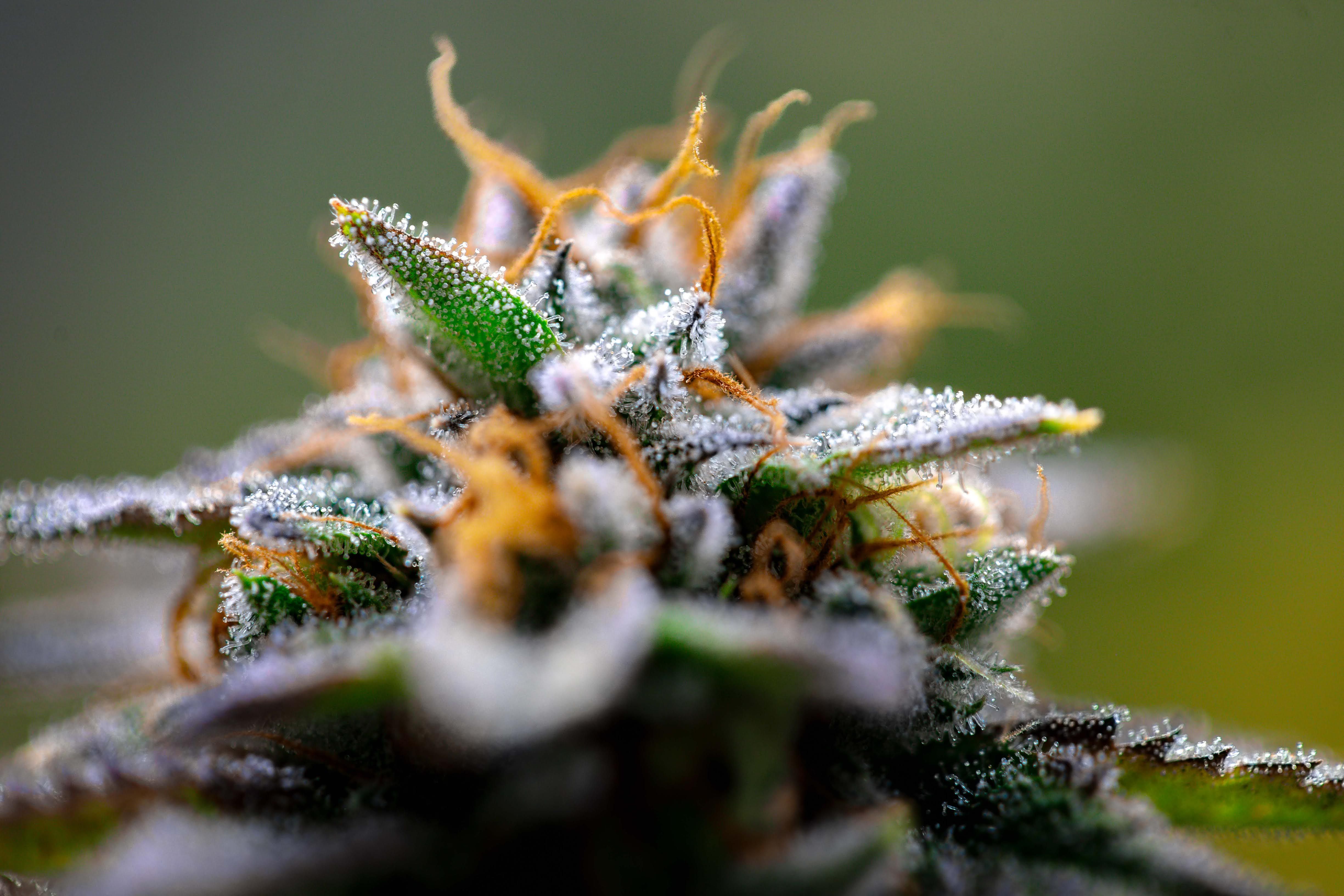
Canadian cannabis strains are named cultivars or product varieties that can differ in cannabinoid content, terpene profile, aroma, lineage and batch-level chemistry. Indica, sativa and hybrid labels can offer a broad category cue, but they do not reliably predict exactly how a product will affect a person. A more useful reading starts with the label, especially Total THC, Total CBD, product format and any optional terpene information.
The Indica/Sativa Myth and What Actually Drives Effects
When you see indica, sativa or hybrid on a cannabis product, treat the term as a broad descriptor. Those labels have a long history in cannabis culture and retail, but chemical studies show substantial variation within each category. Products sold under the same broad label can carry different cannabinoid and terpene profiles.
You will get more useful information by checking the chemical details that are actually available. Total THC and Total CBD are required on legal Canadian cannabis labels. Other cannabinoid levels, terpene profiles and strain names may be included voluntarily. This means two packages described as indica can still differ in ways that may affect aroma, flavour, strength and personal experience.
THC is the main intoxicating cannabinoid in cannabis. CBD does not produce the same intoxication. The amount of each cannabinoid varies by product, and federal guidance notes that higher amounts of cannabinoids can be associated with a higher risk of side effects.
Personal response also varies. Prior cannabis exposure, product format, amount used and individual sensitivity can all affect the experience. A strain name or broad category cannot account for every one of those variables.
If you are comparing dried flower, start with the cannabinoid values on the package before relying on the strain name alone.
Chemotype Over Phenotype and Reading a Strain by Its Terpene Profile
A chemotype groups cannabis by chemical composition. In practical terms, you can use cannabinoid levels and any listed terpenes to build a clearer picture of a product.
Terpenes are aromatic compounds found in cannabis and many other plants. They help produce scent and flavour. Cannabis research has also examined possible interactions between terpenes and cannabinoids, but current reviews do not support treating a specific terpene as a reliable predictor of a specific clinical or personal result.
For that reason, you can use terpene information as a sensory guide first. It can help you compare products with citrus, pine, peppery, herbal or earthy characteristics. Claims that one terpene will always create one specific effect should be treated cautiously.
Myrcene
Myrcene is commonly associated with earthy, musky and herbal aromas. It also occurs in plants such as hops and lemongrass.
If a label lists myrcene among the dominant terpenes, you can reasonably expect it to contribute to the product’s aroma. Claims that myrcene always produces a sedating result go further than current human evidence supports.
Limonene
Limonene has a citrus-forward aroma and is found in citrus peels as well as cannabis.
When limonene appears high in a terpene list, you can use that information mainly to anticipate scent and flavour characteristics. It should not be treated as a guarantee of a particular mood or functional effect.
Caryophyllene
Beta-caryophyllene is often described as peppery, spicy or woody. It occurs in black pepper, cloves and other plants.
You may see it listed in cannabis products with sharper spice notes. Research on its biological activity is ongoing, but a retail terpene percentage should not be read as a medical claim.
Pinene
Pinene is associated with pine-like and resinous aromas. Alpha-pinene and beta-pinene occur in many plants, including conifers and herbs.
If pinene is prominent on a product’s terpene information, it can help explain the aroma profile. It cannot reliably predict how that product will feel for every person.
How Strain Genetics and Lineage Work in Practice
Lineage describes the parent cultivars used to produce a strain. You may see a product described as a cross between two named parents, part of a long-running family such as Kush or Haze or connected to a newer breeding line.
You should treat lineage as background information rather than a chemical certificate. Two products carrying the same strain name can differ because of breeding selection, growing conditions, harvest timing, storage, processing and batch chemistry. A familiar name can still lead to a different cannabinoid or terpene profile.
Breeder histories can also be disputed. Some classic strains circulated for years before modern recordkeeping became common. In those cases, exact parentage may be uncertain. A responsible strain profile should state that uncertainty instead of presenting one disputed origin story as settled fact.
Lineage can still help you narrow a search. If you repeatedly prefer products from a certain family, you can compare their labels for recurring cannabinoid ratios or terpene combinations. That gives you a record based on the products you actually encountered.
Strain Families Commonly Seen in the Canadian Market
Canadian menus regularly feature strain names connected to several broad families. Availability changes with producer catalogues, harvests and local inventory, so no family is guaranteed to be available at a given time.
OG and Kush Lineages
Kush-associated strains often include names such as OG Kush, Pink Kush and Purple Kush. Their exact genetic histories can vary by source.
If you are comparing Kush-labelled products, check Total THC, Total CBD and terpene information on each package. Shared naming does not mean two products have the same chemistry.
Cookies Lineages
Cookies-derived strain names became common through modern breeding and are often crossed into other named cultivars. Examples can include strains associated with Girl Scout Cookies, Gelato and related descendants.
You should read these names as lineage clues. The package data still gives you the stronger basis for comparing current batches.
Haze Lineages
Haze-associated names have a long history and often appear in crosses with other families. The word Haze by itself does not tell you a fixed cannabinoid level or terpene profile.
If you are choosing between Haze-labelled products, compare the package values and format instead of assuming they will share the same strength or experience.
Gelato Lineages
Gelato has been used in many later crosses and related strain names. Products tied to this family can still vary widely by batch and producer.
You can use the lineage name to identify related products, then use cannabinoid and terpene information to make the actual comparison.
Reading a Canadian Product Label (THC/CBD Ranges, Terpene Disclosure)
Legal cannabis packages in Canada follow federal labelling rules. The front label includes Total THC and Total CBD. Depending on the product class, these values can be shown as a concentration, an amount per unit or a total amount in the package. Required labels also include the product class, net quantity, health warning information and other prescribed details.
When you compare two products, read the units carefully. Dried cannabis commonly lists cannabinoid concentration in mg/g. Other formats can use mg per unit, total mg or another prescribed display depending on the product.
Strain name and terpene profile are optional label information under federal rules. Some products provide several terpene percentages. Others provide only a strain name or no terpene information at all.
A simple reading order can help.
- Check the product class and format.
- Read Total THC and Total CBD.
- Check the package size or number of units.
- Review any listed terpene information.
- Check the strain name and lineage claims.
- Read the health warning and storage directions.
This order keeps the required chemical information ahead of optional marketing language.
Product format also changes the experience and timing. Inhaled products can act more quickly than ingested cannabis, while edible products can take longer to produce effects and can last longer. Federal guidance advises caution because delayed effects can lead some people to consume more before the first amount has fully taken effect.
If you are comparing formats, vape products, edible products and concentrated cannabis products should be read by their own label units. A THC value on dried flower should not be compared casually with a total milligram amount on an edible package.
Why Two Indica Products Can Feel Different
If two products are both labelled indica, their shared category does not make their chemistry identical. One may contain more THC. Another may contain more CBD. Their dominant terpenes can differ. Their format, freshness and batch characteristics can differ too.
Research comparing cannabis samples has found substantial chemical variation within indica, sativa and hybrid categories. Chemical-profile approaches can separate products in ways that broad category labels do not.
You should also account for your own prior use. A product that feels strong to one person may feel less intense to someone with different sensitivity or tolerance. Because personal response varies, no strain family can promise a fixed result.
This is also why effect labels such as relaxing, uplifting or creative should be treated as descriptive shorthand. They may reflect common reports or product positioning, but they are not a controlled prediction of individual response.
Terpenes, Cannabinoids and the Limits of Effect Prediction
Cannabinoids and terpenes are often discussed together under the idea of an entourage effect. Research has examined possible interactions among cannabis compounds, but reviews report limited and inconsistent evidence for a stable, predictable terpene-cannabinoid synergy in humans.
That does not make terpene data useless. You can use it to compare aroma profiles and chemical differences among products. It simply should not be converted into a promise that a given terpene percentage will produce a specific result.
The same caution applies to minor cannabinoids. A product may list compounds other than THC and CBD when the label provides that optional information. You can record those values for comparison, but stronger claims about a minor cannabinoid should be tied to solid evidence and should stay separate from retail effect language.
Building Your Own Strain Shortlist
A useful strain shortlist is based on repeatable details. Start with products that fit the format and cannabinoid range you are looking for, then compare terpene information and lineage where available.
You can keep a simple record with these fields.
- Strain name
- Product format
- Total THC
- Total CBD
- Dominant listed terpenes
- Package or lot date
- Aroma and flavour notes
- Personal response
- Amount used
Over time, your notes can show patterns that a broad indica, sativa or hybrid label may miss. You may find that certain cannabinoid ranges, terpene combinations or formats are more consistent with what you prefer.
Keep the comparison conservative. A pattern in your own notes is personal experience. It does not establish a general medical effect and should not be used to predict another person’s response.
If you are choosing a new product, start by comparing the current cannabis selection by format and label details. Check the actual package information again when the product arrives because batch values can change.
Canadian Legal Basics to Keep in View
Federal law allows an adult of legal age to possess up to 30 grams of legal dried cannabis or its equivalent in public. Minimum legal age and retail rules vary by province or territory. In Ontario, the minimum legal age is 19.
You should follow the rules that apply where you live and where you possess or use cannabis. Provincial, territorial and municipal restrictions can differ, especially for purchase, public consumption, transport and home cultivation.
Legal products also carry required packaging and health warnings. Those label rules are useful when comparing strains because they create a consistent base of required THC and CBD information across product classes.
Cannabis Delivery Across Windsor and Essex County
High Vibes is a cannabis delivery service serving Windsor, Kingsville, Comber, Belle River, Leamington, Amherstburg and Essex. We use current product information to help our customers compare available formats and label details, and our inventory can change as products rotate.
View our current selection and choose the products that fit your preferences.
Disclaimer: The content provided is for general informational purposes only and should not be relied upon as medical, legal or professional advice. For any health related concerns, consult a qualified healthcare professional. It is the responsibility of each individual to understand and comply with all applicable laws and regulations.