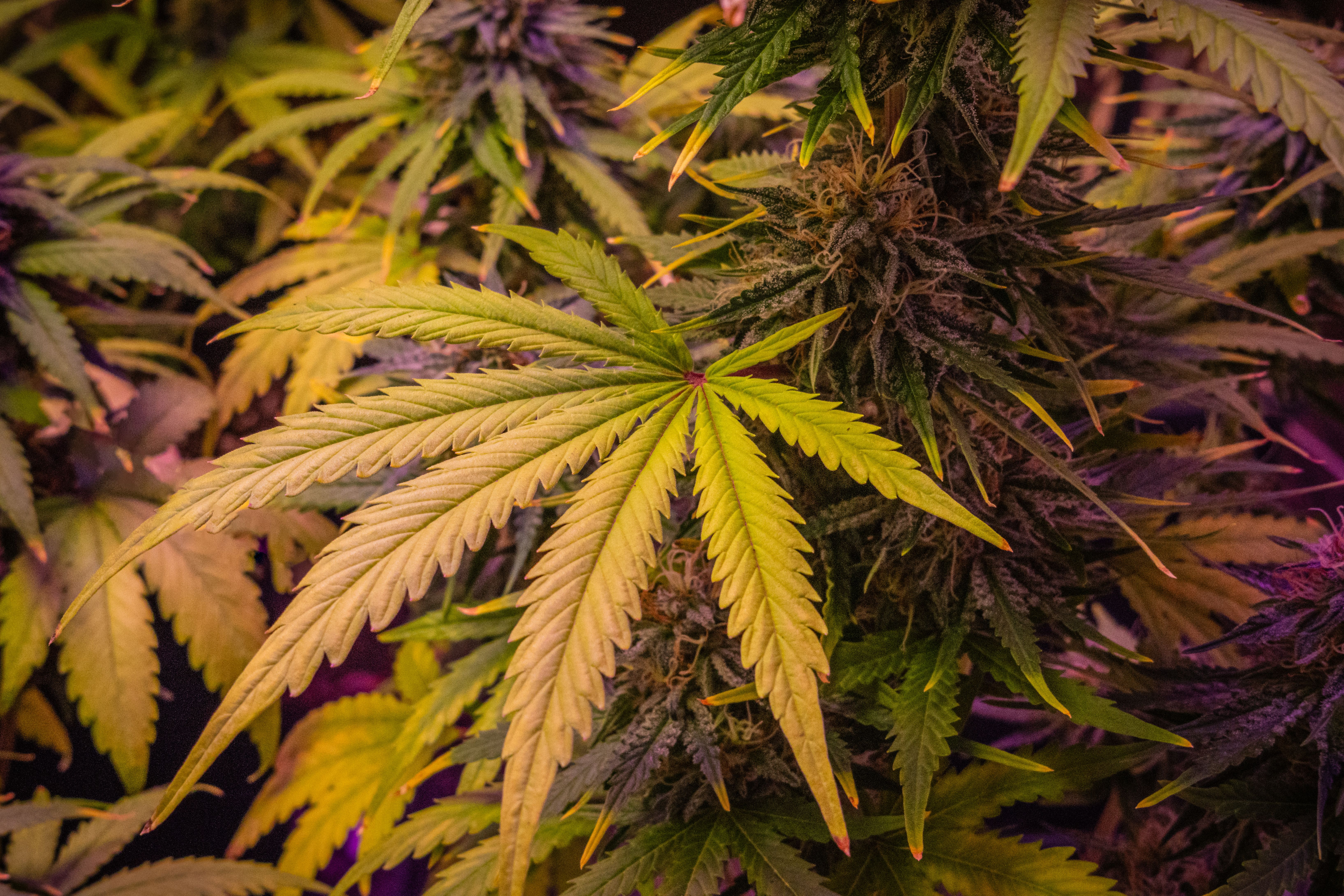
Pink Kush is a Canadian cannabis cultivar commonly sold as an indica or indica-dominant strain, with documented links to OG Kush and a terpene profile that often includes caryophyllene, myrcene and limonene. Its exact parentage is not firmly established across every source or producer, so strain name, cannabinoid content and terpene data should be checked together when comparing products.
Quick Profile
Pink Kush has been sold in the Canadian legal market for years and remains closely associated with West Coast cannabis genetics. One documented Canadian version lists OG Kush lineage, while another Canadian product history describes the cultivar as originating on Vancouver Island and says it is believed to have descended from OG Kush.
A typical profile looks like this.
| Feature | Pink Kush |
|---|---|
| Common classification | Indica or indica-dominant |
| Reported lineage | Commonly linked to OG Kush |
| Common terpene examples | Caryophyllene, myrcene and limonene |
| Typical aroma descriptions | Earthy, peppery, gassy, citrus and sweet |
| CBD | Usually low in high-THC flower examples |
| THC | Varies significantly by producer, batch and format |
| Common formats | Flower, pre-rolls, vapes and concentrates |
You should treat these points as a general profile. Cannabis chemistry changes between cultivars carrying the same name and between batches of the same product.
Canadian examples also show meaningful THC variation. One Pink Kush flower listing has historically shown 23% to 27% THC, while another Canadian pre-roll listing showed 18% to 23% THC. A 2026 packaging initiative for one Pink Kush product began displaying a potency range to better reflect natural variation in cannabis flower.
Where Pink Kush’s Genetics Actually Come From
Pink Kush is widely connected to OG Kush, but its full genetic history remains uncertain.
Cannabis strain histories can be difficult to verify because many cultivars circulated before regulated commercial production created consistent documentation. Names can also be applied to different cuts, phenotypes or breeding lines.
You will commonly see Pink Kush described as part of the OG Kush family. Canadian product information has listed its lineage as OG Kush, while other documentation describes one parent as OG Kush and leaves another parent unidentified.
That makes OG Kush the strongest recurring lineage claim available from Canadian product documentation, while the complete parentage remains less certain.
OG Kush Lineage Claims vs. What’s Verifiable
The most defensible description is that Pink Kush is closely associated with OG Kush genetics.
One Canadian strain document lists the origin as OG Kush with another parent marked unknown. Another Canadian description says Pink Kush is believed to have stemmed from OG Kush.
You should be cautious with websites that provide a very specific two-parent family tree without explaining where that information came from. A precise lineage claim carries more weight when it can be traced to breeder records, genetic documentation or regulated product information.
Pink Kush also appears as a parent in other Canadian genetics. For example, Pink Lemonade has been listed as Pink Kush crossed with Lemon Skunk, while another seed product lists Cookies crossed with OG Kush and Pink Kush.
Those later crosses support Pink Kush’s established place in Canadian breeding culture, though they do not resolve the cultivar’s original full parentage.
Terpene Profile and What It Smells/Tastes Like
Pink Kush commonly appears with caryophyllene, myrcene and limonene among its listed terpenes. One Canadian Pink Kush flower profile identifies all three. Another Canadian medicinal cultivar document places myrcene first, followed by caryophyllene and limonene among several other terpenes.
You should expect terpene percentages to vary by genetics, cultivation conditions, harvest timing and batch.
Caryophyllene commonly contributes peppery, woody and spicy aromas. Myrcene is associated with earthy, herbal and musky notes. Limonene contributes citrus characteristics.
Canadian Pink Kush descriptions have included white pepper, orange, butterscotch, coffee, earth and grapefruit. Those sensory descriptions line up with the broad aromatic character of its commonly listed terpenes.
The aroma can also be described as gassy, a common cannabis term for sharp fuel-like scents.
You can use terpene information to compare aroma and flavour more reliably than a generic indica label. Terpenes should not be treated as a guarantee of a specific physical or psychological response.
Cannabinoid Range Seen in Canadian Batches
Pink Kush is commonly sold as a high-THC cultivar in Canada, but there is no single Pink Kush THC percentage.
One Canadian flower example has been listed at 23% to 27% THC. Another pre-roll product showed 18% to 23%. A separate Canadian medicinal Pink Kush document lists approximately 24% THC and less than 1% CBD.
Recent Canadian industry activity also highlights why a fixed strain percentage can be misleading. In April 2026, a Pink Kush flower product in British Columbia began using THC range labelling as part of a pilot designed to communicate natural potency variation more accurately.
If you are comparing Pink Kush flower, check the actual package rather than relying on a percentage from a strain guide.
Health Canada requires cannabis labels to show Total THC and Total CBD. Optional information can include strain name, terpene profile and additional cannabinoid information.
The package therefore gives you the most relevant cannabinoid information for the batch you actually have.
You should also check units carefully. Dried cannabis normally reports Total THC and Total CBD as mg/g. Extracts and other formats can use different forms of measurement depending on how the product is packaged.
Reported Effects and Who Tends to Reach for It
Pink Kush is commonly marketed and discussed as an indica strain. Consumer descriptions often associate it with relaxing or heavier subjective effects.
Those descriptions should be treated as reported experiences rather than guaranteed outcomes.
THC can cause intoxication and can affect coordination, attention, memory and reaction time. Individual response varies with THC exposure, tolerance, consumption method and personal sensitivity.
You should pay more attention to the actual THC level and format than to an expected effect attached to the Pink Kush name.
A lower-THC Pink Kush batch and a higher-THC batch may feel quite different. A vape or concentrate carrying Pink Kush genetics can also differ substantially from dried flower because cannabinoid concentration and delivery format change.
People who already know they prefer Kush-family aroma profiles may choose Pink Kush for its combination of earthy, peppery, gassy and citrus characteristics. That preference is sensory and personal. It does not establish a predictable health outcome.
If you have little cannabis experience, a familiar strain name should not be treated as a substitute for checking strength and format.
Similar Strains Worth Comparing
Pink Kush sits within a broad group of Kush-associated cultivars and modern indica-leaning crosses.
You may want to compare it with Purple Kush if you are interested in another established Kush name. Both are commonly sold under indica classifications, though their genetic histories and terpene profiles differ.
OG Kush is also useful for comparison because it appears repeatedly in Pink Kush lineage documentation. If you are interested in genetic relationships, this is one of the clearest reference points.
Pink Bubba is another related example. Canadian product data lists it as a Pink Kush and Bubba Kush cross. That makes it useful if you want to see how Pink Kush genetics can appear inside a later hybrid.
You can also compare Pink Kush with Pink Lemonade, which has been listed as Pink Kush crossed with Lemon Skunk. The added Lemon Skunk lineage creates a different genetic and sensory direction.
When comparing strains, use the same checklist each time.
- Total THC
- Total CBD
- Listed terpenes
- Product format
- Package date
- Genetic information
- Aroma profile
This makes the comparison more useful than relying on indica, hybrid or sativa alone.
Formats Available (Flower, Pre-Roll, Vape, Concentrate)
Pink Kush genetics appear in several cannabis formats in Canada. Each format should be assessed separately because the cannabinoid concentration and use characteristics can differ substantially.
Flower
Dried flower gives you a direct view of the cultivar as harvested and processed.
When browsing flower options, compare Pink Kush using the actual Total THC, Total CBD and terpene information provided for the product.
Flower batches can vary naturally, so previous THC figures should not be assumed to apply to a new package.
Pre-Rolls
Pink Kush is also sold in pre-roll form.
A Canadian Pink Kush pre-roll listing has shown 18% to 23% THC with caryophyllene and humulene listed among its terpenes.
Pre-roll chemistry depends on the flower used in that specific product. You should check the package rather than assuming it matches another Pink Kush flower product.
Vape Products
Pink Kush also appears in vape formats, including products made from strain-specific cannabis extracts.
A 2026 Canadian launch used Pink Kush cured resin in a 510 cartridge, showing that the cultivar continues to appear in extract-based formats.
If you are comparing vape options, check THC concentration, extract type and ingredients. A Pink Kush vape should not be compared directly with dried Pink Kush flower using percentage alone.
Concentrates
Pink Kush can also be processed into concentrated cannabis products.
One Canadian Pink Kush honey-oil product has been listed at 81% to 83% THC, far above the percentages seen in dried flower examples.
That difference shows why format is important. If you are looking through concentrated cannabis products, read the cannabinoid information for each item separately.
Higher THC concentrations can increase the likelihood of unwanted effects. Strong extracts should be approached cautiously, especially if your prior THC exposure is limited.
Is Pink Kush Indica or Hybrid?
Pink Kush is most commonly classified as indica in Canadian product listings.
Some sources use indica-dominant language because cannabis cultivars often contain mixed genetic ancestry. The distinction has limited value for predicting a specific experience.
If a product is labelled Pink Kush and indica, you can use that classification as one piece of information. The package’s THC, CBD and terpene data provide more detail about that particular product.
The cultivar’s uncertain full parentage also supports cautious wording. OG Kush lineage has substantial documentation, while the complete original genetic chain remains less clear.
Reading a Pink Kush Package in Canada
When you have a Pink Kush product in hand, start with the regulated information.
Health Canada requires Total THC and Total CBD on the principal display panel. The label also includes required product and packaging information, while strain name and terpene profile can be provided voluntarily.
A practical reading order is simple.
- Check the product format.
- Read Total THC.
- Read Total CBD.
- Review the package size.
- Check any terpene information.
- Read the strain name.
- Check the packaging date and lot information.
You can then compare those details with previous Pink Kush products you have used.
Avoid assuming that the same strain name means identical chemistry. Cannabis flower is biologically variable, and Canadian industry research has recently pushed for potency ranges partly because a single number can give an overly narrow picture of that variation.
Pink Kush Availability Across Windsor and Essex County
High Vibes is a cannabis delivery service for Windsor, Kingsville, Comber, Belle River, Leamington, Amherstburg and Essex. We carry changing cannabis selections, so Pink Kush availability can vary with current inventory and format.
Check our current selection for available strains and formats.
Disclaimer: The content provided is for general informational purposes only and should not be relied upon as medical, legal or professional advice. For any health related concerns, consult a qualified healthcare professional. It is the responsibility of each individual to understand and comply with all applicable laws and regulations.