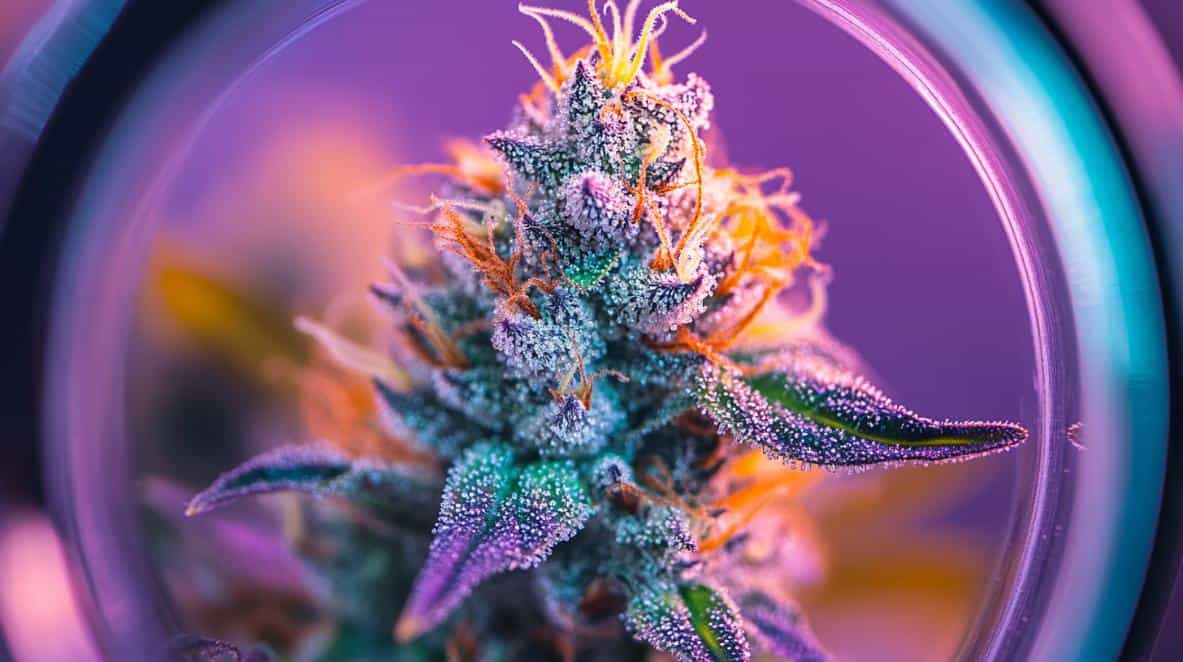
West Coast cannabis flower generally refers to dried cannabis associated with producers, genetics or cultivation practices from British Columbia and Canada’s western growing regions. The phrase is commonly used to describe product origin or style, though the package label gives you more useful details about the flower inside.
A regional label alone does not tell you the THC level, terpene profile, package date or product size. Those details help you compare legal products more carefully.
Premium West Coast Flower Explained
The word premium has no single meaning across every cannabis product. One producer may use it for hand-trimmed flower. Another may use it for selected genetics, smaller batches or a stated cultivation method.
You can judge a legal package using details that are easier to check. Look at the producer’s name, strain or cultivar, THC and CBD information, package date and net weight. Some labels also list dominant terpenes.
Flower can differ in bud size, moisture level, aroma and density. These traits may vary between batches of the same cultivar. Storage conditions and the time since packaging can also affect the condition of dried flower.
Legal cannabis comes in sealed packaging with required product information and health warnings. Keep the original package so you can refer back to the label after opening it.
Reading the Current Product Information
Available strains can change as batches sell out and new products arrive. Review the current product details before making a selection.
Start with the package size. Common dried flower formats include smaller containers for occasional use and larger formats for people who already know the product. Avoid buying more than you can store correctly or legally possess.
Next, read the THC and CBD values. A higher THC number does not guarantee a better product or a preferred experience. Product response can vary based on individual tolerance, frequency of use and other personal factors.
The package date provides useful context, though it does not fully describe freshness. Packaging type and storage conditions also affect the flower after it leaves the producer.
Check the cultivar name and producer. Similar names can appear across different products, so rely on the full label instead of the strain name alone.
Indica Sativa and Hybrid Labels
Indica, sativa and hybrid are broad commercial categories commonly used on cannabis products. They do not reliably predict the exact response every person will have.
An indica label is often associated with products marketed for evening use. A sativa label is often associated with products marketed for daytime use. Hybrid products draw from more than one genetic line and may be described as indica-dominant, sativa-dominant or balanced.
These categories provide a starting point. The cannabinoid content, terpene information, serving amount and personal tolerance may give you more useful context.
Avoid treating broad strain categories as medical guidance. Cannabis can affect attention, coordination and reaction time. Do not drive or operate equipment after using it.
Terpene Information on Flower Labels
Terpenes are aromatic compounds found in cannabis and many other plants. Some legal flower packages list major terpenes such as myrcene, limonene, caryophyllene and pinene.
A terpene list can help you compare aroma profiles. It does not promise a specific result. Two products listing the same leading terpene may still smell or feel different due to their full chemical profile and individual variation.
Keep expectations practical when trying an unfamiliar cultivar. Use a cautious amount and allow time to assess the response before using more.
Checking Legal Packaging
Legal cannabis packaging should be sealed and display the required Canadian cannabis symbol, health warning and product details. The label should identify the licensed producer and provide cannabinoid information.
Do not use flower from a package that appears damaged, opened or altered. Check for unusual moisture, visible contamination or a smell that seems inconsistent with dried cannabis.
Store legal flower in its original child-resistant container. Keep it in a secure place away from children and pets. Heat, direct light and excess moisture can affect the product during storage.
Conclusion
Adults aged 19 or older may legally buy and possess recreational cannabis in Ontario. Public possession is limited to 30 grams of dried cannabis or its legal equivalent.
Keep cannabis away from anyone under 19. Do not carry an open product in a vehicle where the rules prohibit it and never drive while impaired.
Cannabis may interact with medications or existing health conditions. A qualified healthcare professional can address personal health questions, medication concerns or pregnancy.
Disclaimer: The content provided is for general informational purposes only and should not be relied upon as medical, legal or professional advice. For any health related concerns, consult a qualified healthcare professional. It is the responsibility of each individual to understand and comply with all applicable laws and regulations.